
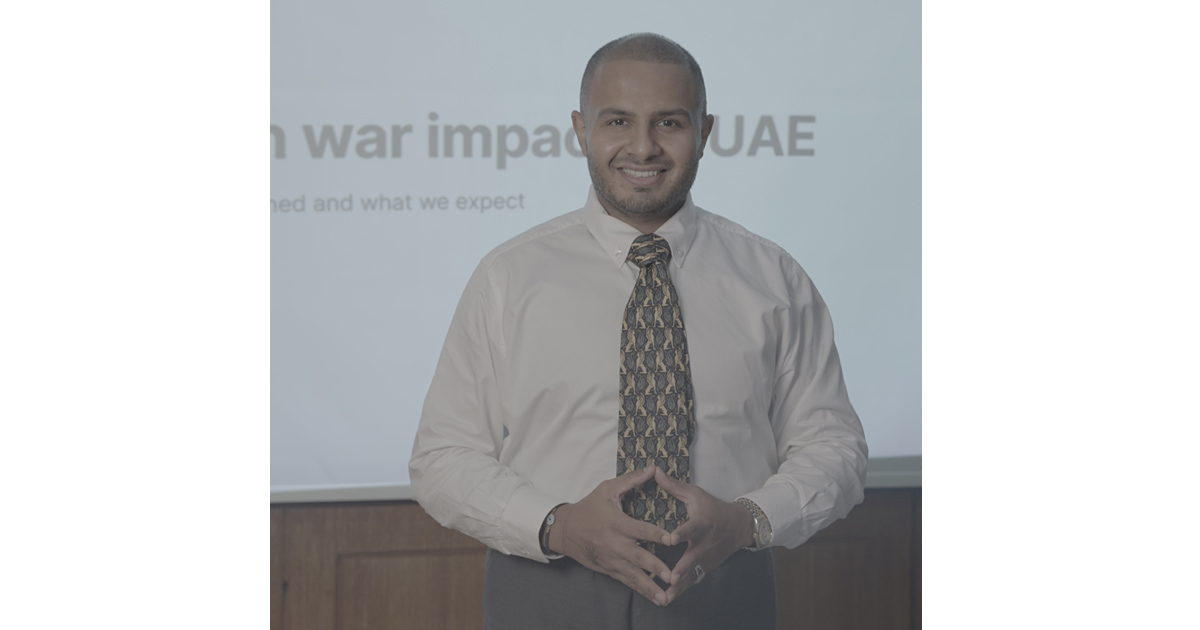
In an exclusive interview with Aditya Earnest John, Founder of HowToDXB Real Estate, we explore how Dubai is reinforcing its position as a resilient global investment hub amid rising geopolitical tensions and economic uncertainty.
As markets worldwide grapple with volatility, Dubai’s ability to maintain stability, ensure policy continuity, and attract sophisticated global capital is coming into sharper focus.


From increased interest among ultra-HNIs and family offices to the city’s strong regulatory framework and long-term growth outlook, John shares nuanced insights into shifting investor behaviour, market dynamics, and why this phase could present a strategic entry point for those looking at Dubai real estate with a long-term lens.
1. In times of global uncertainty and conflict, how is Dubai positioning itself to attract long-term real estate investors seeking stability and continuity?
Dubai is currently demonstrating one of its strongest strengths: crisis management and governance. The city’s value proposition has always been built on four pillars: safety, low taxes, lifestyle, and global opportunity. While recent geopolitical tensions have tested the perception of safety in the short term, what truly defines a market is how it responds during such periods. Dubai’s response has been swift and structured, maintaining public safety, ensuring clear communication, and keeping the city fully functional.
This reinforces confidence among long-term investors who look beyond short-term noise and focus on institutional strength. Importantly, the other three pillars remain firmly intact. Dubai continues to offer tax efficiency, world-class infrastructure, and a global business ecosystem that is difficult to replicate.
2. Are you witnessing an increase in demand from HNIs and global investors looking to relocate or secure second homes in Dubai due to geopolitical risks?
Yes, we are clearly seeing a divergence in behaviour across investor segments. There is a noticeable increase in activity from ultra-HNIs and family offices, who view the current phase as an opportunity to acquire assets at or below market value. These investors are long-term in nature and are comfortable holding for three to five years to generate outsized returns.
On the other hand, end-users and professionals who were planning relocation are taking a more cautious stance and, in many cases, delaying decisions until there is greater clarity. So while relocation-driven demand may soften in the short term, capital-driven demand especially from sophisticated investors—is becoming more active.
3. How do global supply chain disruptions and rising construction costs driven by war-like situations impact project timelines and pricing in Dubai’s real estate market?
So far, the impact on Dubai’s construction timelines has been relatively limited. One of the strengths of the market is its regulatory oversight particularly through RERA which ensures that developers remain accountable to delivery schedules. Construction activity across most major projects continues largely as planned, with no widespread disruption to timelines so far. However, if geopolitical tensions persist, there could be indirect effects through global supply chain disruptions and rising material costs, which may lead to marginal delays or cost pressures. In terms of pricing, developers are more likely to respond through flexible payment plans and value-driven offerings rather than immediate price increases.
4. What role does Dubai’s policy stability and governance play in reassuring international investors during periods of geopolitical volatility?
Dubai’s biggest strength in times like these is its governance and policy stability. The way the city has handled the current situation is, in many ways, a playbook for crisis management. From ensuring public safety and maintaining day-to-day normalcy to communicating clearly with residents and businesses, the response has been proactive and structured. Authorities have also been quick to support affected sectors through policy measures and operational flexibility.
For international investors, this level of responsiveness signals that the system is capable of managing shocks effectively. Over time, Dubai has built a reputation for consistent policies, investor-friendly regulations, and strong institutional frameworks all of which become even more valuable during uncertain periods.
5. Do you believe the current global tensions will accelerate Dubai’s growth as a global investment hub, and how should investors strategically time their entry into the market?
In the long run, yes. How Dubai handles this phase will further strengthen its position as a global investment hub. The response, preparedness, and continuity will build deeper investor confidence. In the short term, however, uncertainty may lead to some softening in rental yields, followed by a potential correction in property prices over the next three to six months.
This creates a strategic opportunity for investors. The focus should be on quality assets properties with strong USPs, in good communities, backed by reputable developers. Having a three to five-year horizon is key. Dubai has historically bounced back stronger from every disruption, and this cycle is unlikely to be different. Investors who act in uncertain times are likely to benefit the most.